Concrete Curbing vs. Plastic or Metal Landscape Edging
Choosing between concrete curbing vs. plastic or metal landscape edging, local service providers can help you select and install the best option for your outdoor space.
If you're exploring options for defining garden beds, walkways, or landscape borders, understanding the differences between concrete curbing and plastic or metal landscape edging can make a significant impact on your property’s appearance and functionality. Property owners in the area often consider these choices to enhance curb appeal, improve durability, and reduce ongoing maintenance. Concrete curbing offers a solid, long-lasting solution that can be customized to match the style of your landscape, while plastic and metal options tend to be more affordable and easier to install. Local contractors specializing in landscape edging can help evaluate your property’s needs and recommend the best approach for your outdoor space.
Deciding between concrete curbing and plastic or metal landscape edging involves practical considerations such as longevity, visual appeal, and maintenance requirements. Many property owners find that concrete provides a sturdy, seamless finish that resists weather and wear over time, making it ideal for defining boundaries and preventing soil erosion. Conversely, plastic and metal edging can be a quick, flexible choice for creating clean lines, especially in areas where a less invasive installation is preferred. Those interested in improving their landscape’s structure and appearance can benefit from consulting local service providers who can handle the installation and help determine which edging type aligns best with their property’s needs and aesthetic goals.
- Concrete curbing services are ideal when a durable, long-lasting edge is needed for flower beds or walkways, with local contractors specializing in shaping and installing custom concrete borders. Plastic or metal landscape edging may be suitable for quick, low-cost solutions, but local pros can advise on the best material based on the terrain and aesthetic goals. When a property requires a more permanent and visually appealing boundary, concrete curbing offers a polished look that service providers can expertly craft to match landscape designs. For projects where flexibility and ease of installation are priorities, local service providers can install plastic or metal edging that provides a clean, functional border. Ultimately, local pros can help determine whether concrete curbing or alternative edging options best meet the specific needs of the landscape.
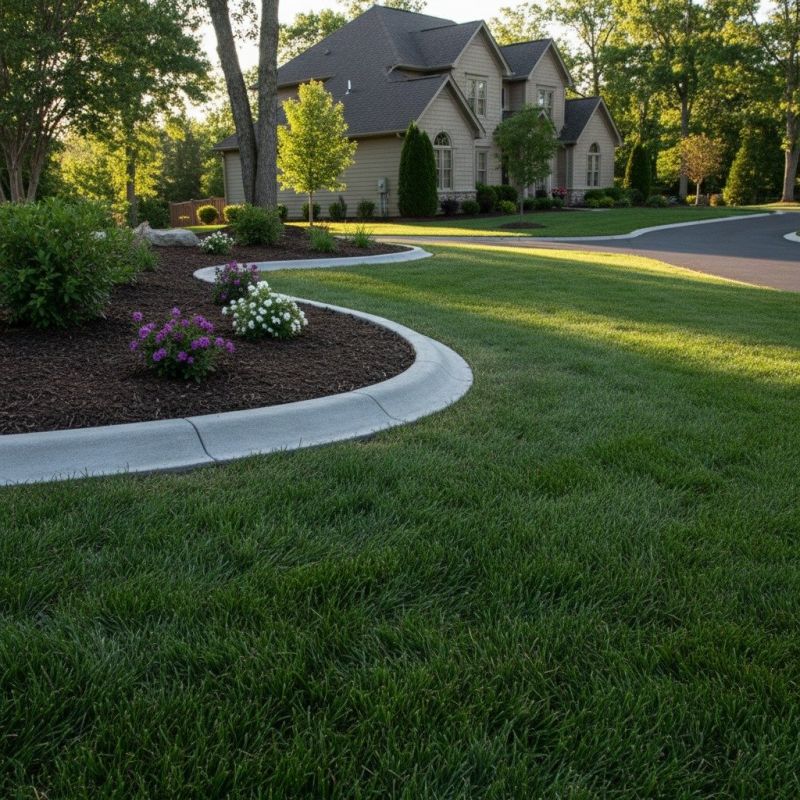
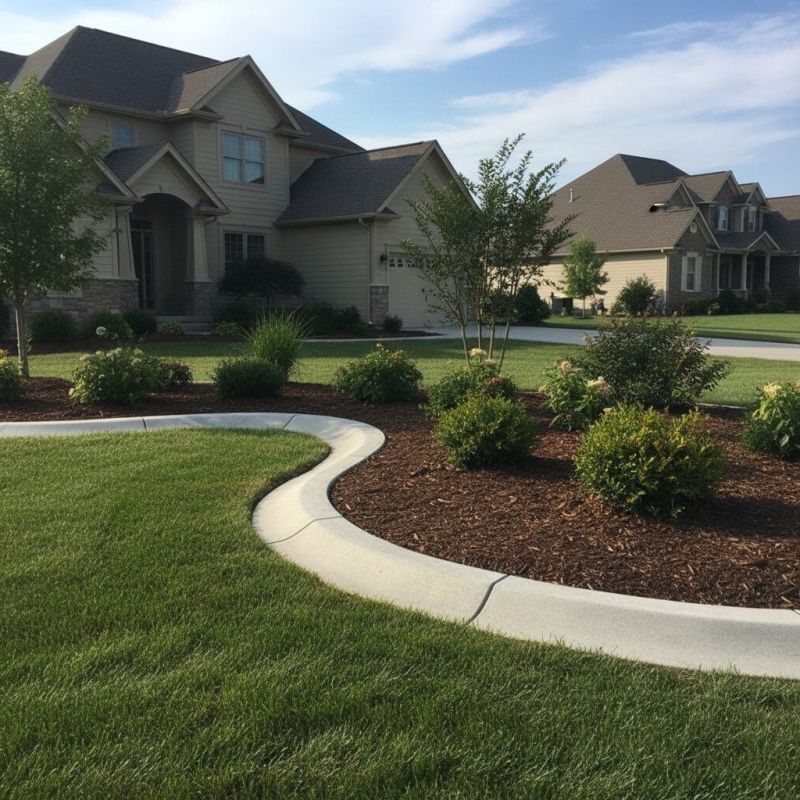
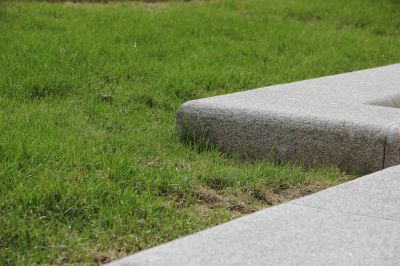
When homeowners search for information about concrete curbing versus plastic or metal landscape edging, they are often trying to determine which option best suits their outdoor project goals. This comparison typically arises during planning for garden borders, lawn boundaries, or decorative features that define different areas within a yard. Property owners may be seeking a durable, visually appealing solution that helps keep mulch, soil, or gravel contained, while also considering how the edging complements the overall landscape design. Understanding the differences between these materials helps homeowners make informed decisions about the longevity, appearance, and functionality of their landscape features.
These topics are closely related to common property improvement projects, such as upgrading lawn borders, creating clean separation between garden beds and turf, or establishing low-maintenance landscape boundaries. Problems often encountered include soil erosion, weed encroachment, or the need for a tidy, defined look that enhances curb appeal. Plans for these projects usually involve selecting materials that can withstand foot traffic, weather conditions, and the natural settling of soil over time. Local contractors who specialize in concrete curbing or landscape edging can provide expert guidance on material choices, installation techniques, and design options that fit the specific needs of residential or commercial properties.
The types of properties that frequently come up in discussions about concrete curbing versus plastic or metal edging include residential lawns, commercial landscapes, community parks, and public gardens. Residential properties often feature decorative borders around flower beds, walkways, or driveway edges, where curb appeal is a priority. Commercial sites may require durable edging to handle higher foot traffic and maintain a professional appearance. Public spaces, such as parks or municipal properties, benefit from the longevity and low maintenance of concrete curbing, which can also be customized with decorative finishes. Local service providers are experienced in working with these diverse property types, offering solutions tailored to each setting’s specific demands.
Choosing between concrete curbing and plastic or metal landscape edging ultimately depends on factors like durability, visual style, and maintenance needs. Concrete curbing is known for its strength, permanence, and ability to be shaped into various decorative forms, making it suitable for large or high-traffic areas. Plastic and metal options tend to be more affordable and easier to install, often providing a quick, flexible solution for defining garden beds or pathways. Homeowners working with local contractors can explore these options based on their property’s size, landscape design, and long-term vision. Professional installers can help ensure that the chosen edging material integrates seamlessly into the landscape, providing a finished look that enhances the property’s overall appeal.
Garden Bed Edging - Local contractors who install garden bed edging often have experience with landscape borders, making them skilled at working with concrete, plastic, or metal materials for durable garden separation.
Retaining Wall Construction - Building retaining walls requires planning and the use of similar tools as those used for landscape edging, providing opportunities for professionals to showcase their expertise in structural and aesthetic features.
Driveway and Pathway Paving - Paving projects involve precise planning and material selection, aligning with the skills needed for installing concrete curbing or alternative edging options around walkways and driveways.
Landscape Design and Planning - Professionals in landscape design often incorporate edging solutions to define spaces, requiring knowledge of various materials and installation techniques related to concrete, plastic, or metal borders.
Hardscaping Projects - Hardscaping involves constructing features like patios, steps, and borders, all of which demand similar planning and manual skills as those used in landscape edging installations.
Soil and Mulch Installation - Installing soil amendments and mulch beds often requires installing edging to keep materials contained, making this a related skill set for local contractors experienced in landscape borders.
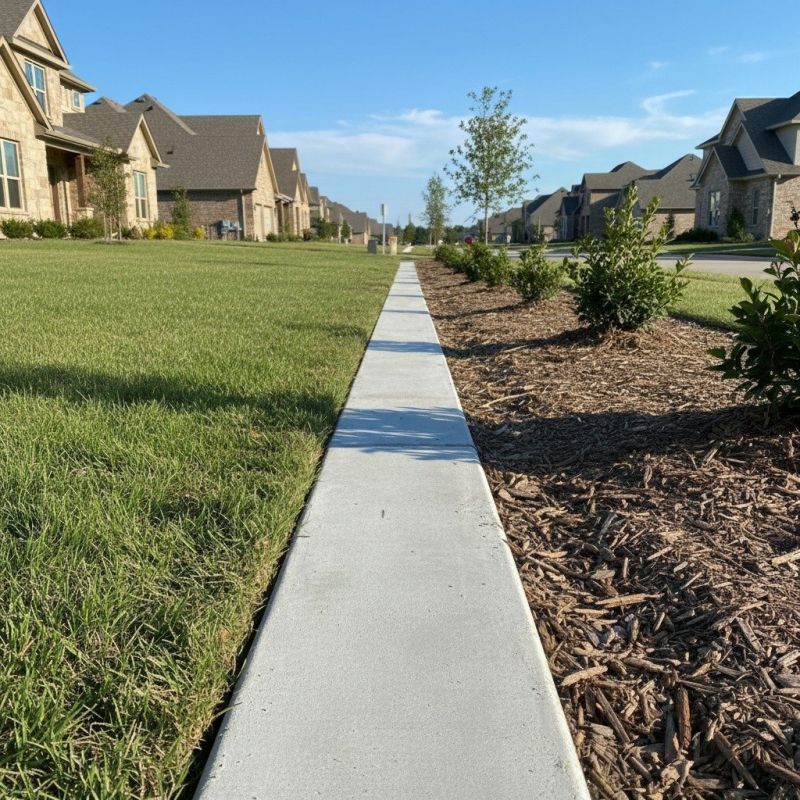
When evaluating contractors for concrete curbing or edging services, it’s important to consider their experience with similar projects. Homeowners should inquire about the types of landscapes or properties they have worked on in the past, especially those involving concrete curbing versus plastic or metal landscape edging. A contractor with a proven track record of completing comparable work can offer insights into what to expect and demonstrate familiarity with the specific techniques and materials involved. This experience can help ensure the project is handled efficiently and meets the desired aesthetic and functional outcomes.
Clear written expectations are essential when comparing local service providers. Homeowners should seek detailed proposals or estimates that outline the scope of work, materials to be used, and the projected timeline. Having this information in writing helps prevent misunderstandings and provides a basis for comparing different contractors’ offerings. It’s also beneficial to ask about warranties or guarantees on the work, as these can reflect the contractor’s confidence in their craftsmanship and materials. Well-defined expectations contribute to a smoother project process and help ensure the final result aligns with the homeowner’s vision.
Reputable references and effective communication are key factors when choosing between local pros for concrete curbing or edging. Homeowners can ask for references from previous clients who had similar work done, providing an opportunity to learn about their experiences and satisfaction levels. Good communication throughout the project-such as responsiveness, clarity in explanations, and willingness to address questions-can make a significant difference in the overall experience. Service providers who prioritize transparency and maintain open lines of communication are more likely to deliver a finished product that meets expectations and to resolve any issues that may arise during the process.
Property owners often search for concrete curbing vs. plastic or metal landscape edging when they are planning practical projects around their homes and businesses. Local pros provide Concrete Curbing or Edging Service services for everyday jobs and straightforward project options.
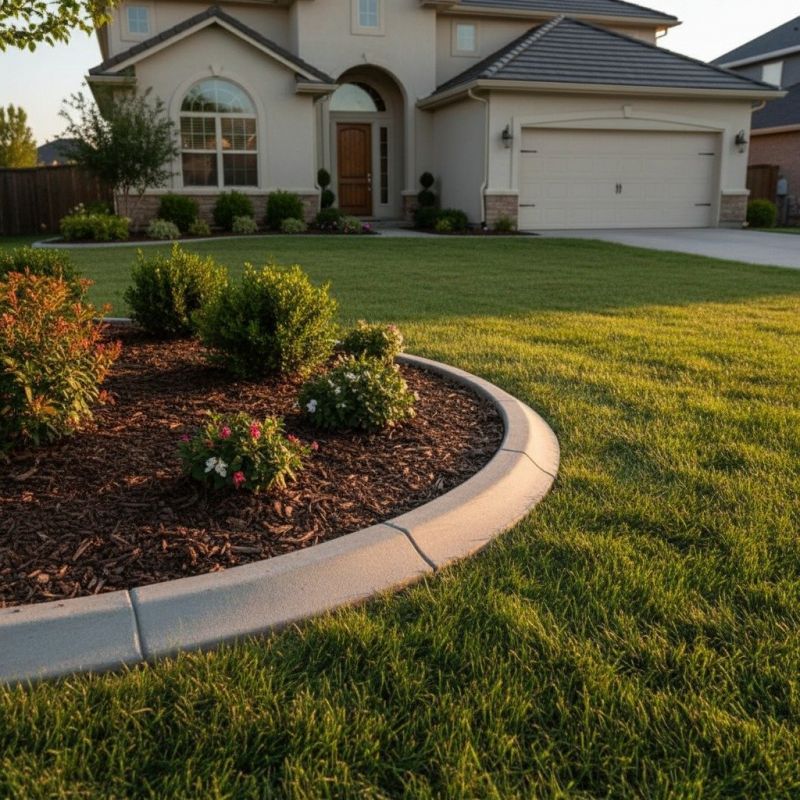
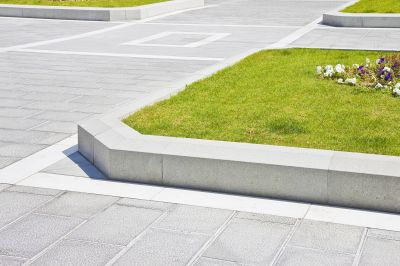
When considering landscape edging options for a property, many property owners in the area evaluate the differences between concrete curbing and plastic or metal edging. Concrete curbing offers a durable, long-lasting solution that can withstand harsh weather conditions and heavy foot traffic, making it ideal for defining garden beds, walkways, or lawn boundaries. Property owners often look for local contractors who specialize in concrete curbing because of its ability to provide a clean, professional look that enhances curb appeal and reduces the need for frequent repairs or replacements.
On the other hand, plastic or metal landscape edging tends to be a more affordable and flexible choice, appealing to those seeking quick installations or temporary solutions. These materials are lightweight and easier to install without heavy machinery, which can be advantageous for smaller projects or DIY enthusiasts. However, property owners who prioritize longevity and a more permanent boundary often turn to local service providers experienced in concrete curbing, as this option can better resist shifting, cracking, or deterioration over time. Connecting with local contractors can help determine which edging type best suits the specific needs of a property and its landscape.
How does concrete curbing compare to plastic or metal landscape edging in durability? Concrete curbing generally offers greater durability and longevity than plastic or metal edging, making it resistant to weather and physical damage. Local contractors can install concrete curbing that maintains its appearance over time, while plastic or metal options may be more prone to cracking or bending.
What are the maintenance differences between concrete curbing and plastic or metal landscape edging? Concrete curbing requires minimal maintenance, as it does not easily warp or degrade. In contrast, plastic or metal edging may need occasional repairs or replacements due to wear and tear, which local service providers can handle efficiently.
Can concrete curbing be customized compared to plastic or metal landscape edging? Yes, concrete curbing can be customized in various shapes, colors, and textures to complement landscape designs. Plastic and metal edging are typically limited in design options but may be easier to install in straight lines or simple curves.
Are concrete curbing and plastic or metal landscape edging suitable for different types of landscapes? Concrete curbing is versatile and suitable for a wide range of landscapes, including gardens, lawns, and driveways. Plastic or metal edging is often used for smaller or more straightforward borders but may not withstand heavy use or large-scale landscaping as well.
What should be considered when choosing between concrete curbing and plastic or metal landscape edging? Factors such as durability, appearance, customization options, and the specific landscape needs should be considered. Local contractors can provide guidance on which option best fits the landscape project and desired outcome.
Durability considerations - Property owners can choose concrete curbing for long-lasting borders that withstand heavy foot traffic and weather, with local contractors providing expert installation.
Design flexibility - Homeowners interested in decorative options might explore concrete curbing for custom shapes and finishes, with local pros offering tailored solutions.
Ease of installation - Those seeking a quick and straightforward project could opt for plastic or metal edging for simple, low-maintenance borders installed by local service providers.
Maintenance needs - Property owners wanting minimal upkeep may prefer concrete curbing for its durability, while local contractors can advise on the best choice based on landscape needs.
If you are thinking about concrete curbing vs. plastic or metal landscape edging for a property, this guide is meant to help you understand this topic, the typical project types, and how different options might fit your plans.
When you are ready, you can use the quote form on this page to share a few details about your project. From there, local pros can review the basics and follow up with options that match what you have in mind.